Frequently Asked Questions About Dental Implants: What You Need to Know


What Are Dental Implants?
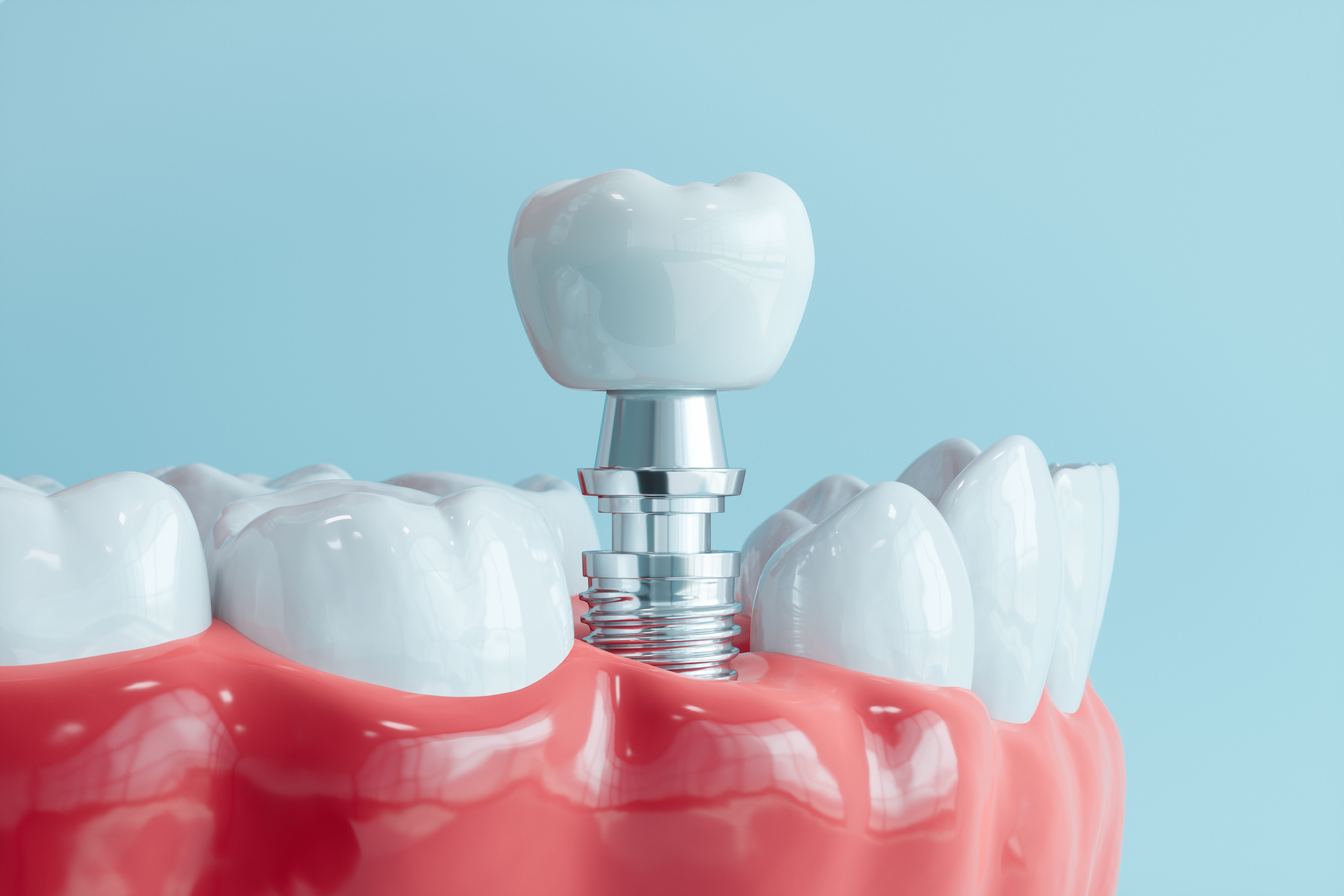
Dental implants are a popular and effective solution for replacing missing teeth. They are artificial tooth roots, typically made of titanium, that provide a strong foundation for fixed or removable replacement teeth. Implants are designed to blend in with your natural teeth, offering a long-lasting solution for tooth loss.
How Do Dental Implants Work?
The process of getting dental implants involves several steps. Initially, a dental professional will surgically place the implant into the jawbone. Over time, the implant fuses with the bone in a process called osseointegration. Once this fusion is complete, a crown is placed on top of the implant to restore the appearance and function of the tooth.
Who Can Get Dental Implants?
Most adults in good health are candidates for dental implants. However, factors such as gum disease, bone loss, and overall health can affect eligibility. A consultation with a dental professional can determine if implants are a suitable option for you. It's essential to have healthy gums and adequate bone to support the implant.

What Are the Benefits of Dental Implants?
Dental implants offer several advantages, including:
- Improved Appearance: Implants look and feel like natural teeth.
- Enhanced Comfort: They become a permanent part of your mouth.
- Better Oral Health: Implants don't require altering adjacent teeth.
How Long Does the Procedure Take?
The timeline for dental implants can vary. The entire process, from consultation to final placement, can take several months. This period allows for healing and osseointegration. However, the result is a durable and permanent solution for missing teeth.

Are There Risks Involved?
As with any surgery, there are potential risks. These may include infection, nerve damage, or implant failure. However, dental implants boast a high success rate, with proper care and maintenance significantly reducing risks.
How Do I Care for Dental Implants?
Maintaining dental implants involves the same care as natural teeth. Regular brushing, flossing, and dental check-ups are crucial. Proper oral hygiene ensures the longevity of implants and the health of surrounding teeth and gums.
What Is the Cost of Dental Implants?
The cost of dental implants can vary depending on various factors, such as the number of implants needed and the type of implant. While they may have a higher upfront cost than other options like dentures or bridges, their durability often makes them a cost-effective choice in the long run.
Final Thoughts
Dental implants can be a life-changing solution for those with missing teeth, offering both functional and aesthetic benefits. If you're considering dental implants, consult with your dentist to explore your options and determine the best treatment plan for your needs.