Frequently Asked Questions About Dental Implants: Expert Answers


What Are Dental Implants?
Dental implants are a popular and effective solution for replacing missing teeth. They consist of a metal post or frame surgically positioned into the jawbone beneath your gums. Once in place, they allow dentists to mount replacement teeth onto them. Unlike dentures, implants offer a *permanent* and stable solution that feels and functions like natural teeth.
How Do Dental Implants Work?
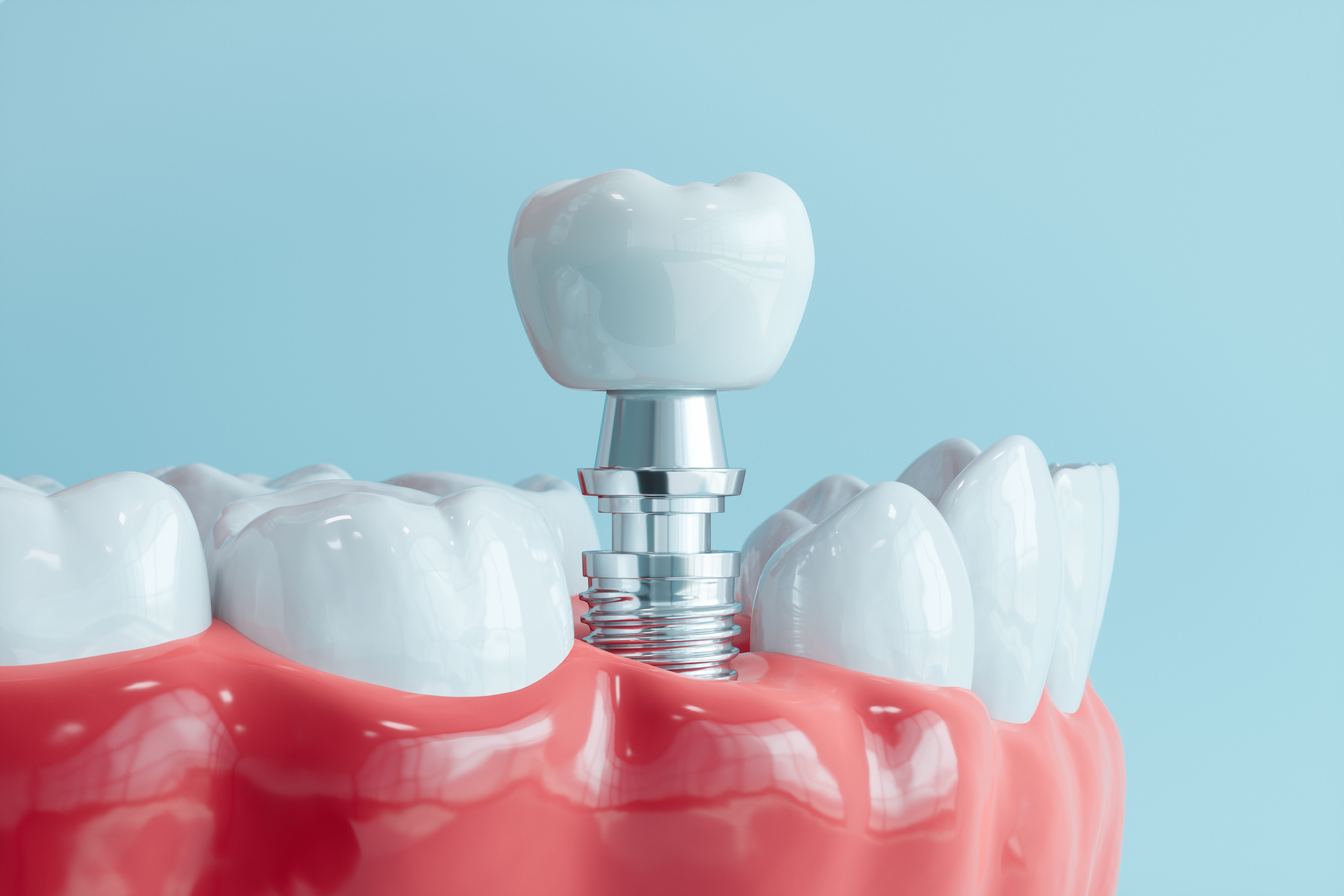
Dental implants integrate with your jawbone, providing a solid foundation for artificial teeth. The process involves placing a titanium post into the jawbone, which acts as the root of the tooth. Over time, the bone fuses with the implant in a process called osseointegration, ensuring durability and longevity.
After the implant has been placed, a connector known as an abutment is attached. This piece holds the new tooth or crown securely. The final step involves placing the custom-made crown, which matches the shape and color of your natural teeth, onto the abutment.
Who Is a Good Candidate for Dental Implants?
Not everyone is a suitable candidate for dental implants. Ideal candidates are those with healthy gums and enough bone to support the implant. Here are some factors that may influence candidacy:
- General oral health
- Bone density
- Non-smoker status
- Commitment to oral hygiene

What Is the Procedure Like?
The dental implant procedure typically involves several stages, which can take place over a few months. Initially, the dentist performs a comprehensive dental exam and takes X-rays to plan the procedure. The actual implant is placed during a surgical appointment, followed by a healing period where osseointegration occurs.
Once healing is complete, the dentist attaches the abutment, and the final crown is placed. Each stage is crucial for ensuring the success and longevity of the implant.
What Are the Benefits of Dental Implants?
Dental implants offer numerous benefits compared to other tooth replacement options. Some of the most significant advantages include:
- Improved appearance and self-esteem
- Enhanced comfort and convenience
- Better oral health and hygiene
- Durability and longevity

How Do I Care for My Dental Implants?
Caring for dental implants is similar to caring for natural teeth. It's important to maintain good oral hygiene by brushing twice a day, flossing regularly, and using an antibacterial mouthwash. Regular dental check-ups and cleanings are also *essential* to ensure the implant remains in good condition.
Patients should avoid chewing on hard objects and refrain from smoking, as these habits can compromise the integrity of the dental implant.
Are There Any Risks or Complications?
While dental implants have a high success rate, there are potential risks and complications, such as infection, injury to surrounding teeth or blood vessels, and nerve damage. However, these are rare and can be minimized by choosing an experienced dental professional.
It's crucial to discuss any concerns with your dentist and follow their post-operative care instructions carefully to ensure the best outcome.